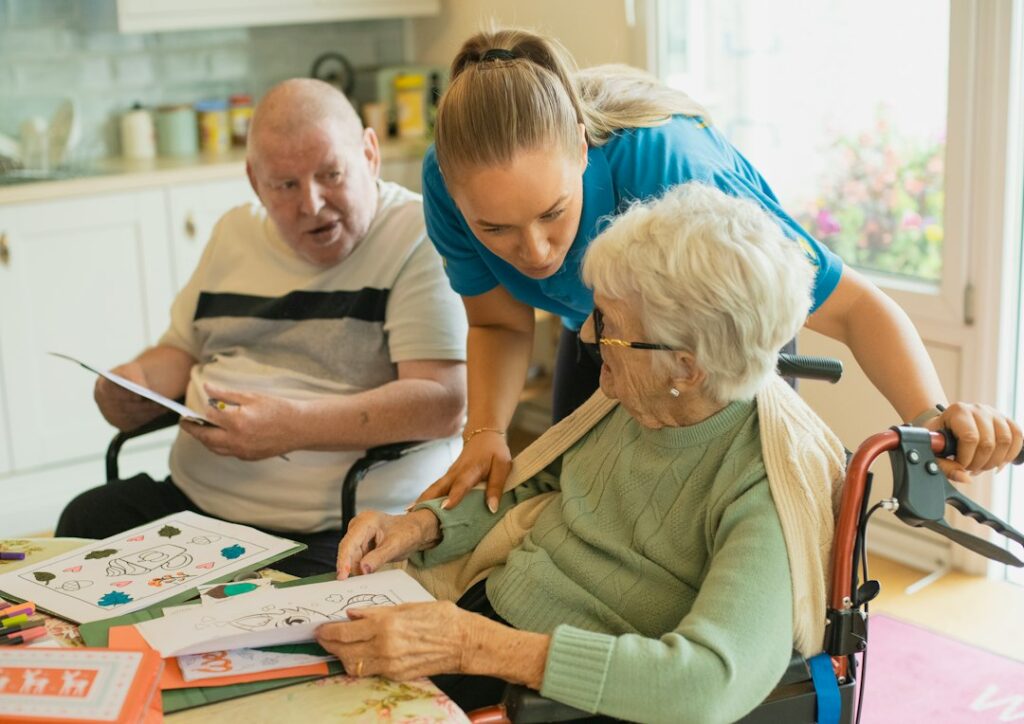
Moving to assisted living is more than a change of address. It can involve grief, relief, uncertainty, guilt, and hope—sometimes all in the same day. Emotional preparation helps residents and families recognize these reactions as normal and develop practical ways to make the transition feel more manageable.
What emotions are common before a move?
Most people experience mixed feelings before entering assisted living. Sadness may come from leaving a longtime home, neighborhood routines, pets, belongings, or familiar responsibilities. Anxiety may center on privacy, new roommates, meals, health needs, or whether daily life will still feel personal.
Relief is also common, especially when household tasks, transportation, medication management, or home maintenance have become difficult. Feeling relieved does not mean a person is giving up. It may mean that daily pressures have become exhausting.
Other common reactions include:
- Anger about losing independence
- Embarrassment about needing help
- Fear of being judged by family or friends
- Guilt about leaving a spouse, home, or possessions
- Loneliness during the early adjustment period
- Curiosity about new activities and relationships
These emotions do not follow a predictable order. Someone may feel confident during a tour and deeply upset while packing. A difficult day does not necessarily mean the decision was wrong.
How can a person maintain a sense of independence?
Independence in assisted living usually changes form rather than disappearing. Residents may receive help with selected tasks while continuing to make meaningful decisions about their schedule, clothing, meals, social life, and personal space.
Before moving, identify which responsibilities matter most personally. These might include choosing what to wear, keeping a preferred morning routine, managing certain personal items, attending religious or cultural activities, or spending quiet time alone.
Families can support independence by asking before stepping in. Helpful questions include:
- “Would you like help, or would you like more time to do this yourself?”
- “Which parts of your routine should stay the same?”
- “What decisions do you want to continue making?”
- “What kind of assistance feels respectful?”
Avoid treating every task as an emergency. Allowing time for safe, appropriate participation can protect confidence and dignity.
What should be discussed before the move?
Clear conversations reduce uncertainty. The resident, family members, and care team should discuss expectations before moving day rather than waiting for frustration to build.
Topics may include:
- Preferred wake-up and bedtime routines
- Dietary preferences and food concerns
- Privacy during personal care
- How medications and appointments will be handled
- Communication preferences with family
- Desired level of social activity
- Personal, cultural, or spiritual practices
- What to do if the resident feels lonely or overwhelmed
It is also useful to discuss how decisions will be made if needs change. A written summary of preferences can help family members communicate consistently and prevent the resident from having to repeat the same information.
How can someone make a new apartment feel familiar?
Familiar objects can make an unfamiliar room feel more personal. Choose meaningful items rather than trying to recreate an entire house. A favorite chair, framed photographs, a familiar blanket, a small lamp, books, artwork, or a clock with large numbers may provide comfort.
Pay attention to practical details:
- Use familiar colors and textures.
- Keep frequently used items easy to reach.
- Label belongings discreetly when appropriate.
- Avoid clutter that could create tripping hazards.
- Bring a few objects connected to hobbies or family traditions.
- Consider photographs that show current family members and important memories.

For residents moving from a larger home, deciding what to bring can feel like a series of losses. Sorting possessions gradually may be less distressing than making every decision under time pressure. A “not ready to decide” box can provide a temporary option for items with emotional importance.
How should families handle guilt and disagreement?
Family guilt often appears when relatives believe they should have done more at home. Assisted living is not automatically a sign that a family failed. In many situations, it reflects a careful response to changing health, safety, mobility, or social needs.
Disagreements are also common. One person may focus on safety, while another concentrates on the emotional cost of leaving home. Both concerns can be valid.
Conversations are more productive when they focus on specific observations instead of blame. For example, discuss missed medications, falls, difficulty with stairs, isolation, or exhausting household tasks. Avoid statements that suggest the resident is being difficult or ungrateful.
The resident’s voice should remain central whenever the person can participate in decisions. Even when family members handle logistics, the resident should be included in discussions about timing, belongings, routines, and visits.
What helps during the first weeks?
The first weeks may feel unsettled even when the move is appropriate. New surroundings, unfamiliar sounds, different meal times, and a changing sleep schedule can temporarily increase stress.
A predictable visiting and communication routine can help. Short, calm visits may be easier than long gatherings, particularly if the resident becomes tired or overstimulated. Family members can bring conversation starters, photographs, mail, or a familiar activity instead of expecting the resident to talk continuously.
Encourage gradual participation. A resident does not need to attend every activity or make several new friends immediately. Sitting in a common area, greeting a neighbor, attending one small activity, or joining a meal may be enough for an early step.
In Swarthmore, PA, seasonal conditions may also affect adjustment. Cold, wet winter days and periods of summer heat can limit outdoor activity, so indoor routines and accessible social options deserve attention throughout the year. Clothing, footwear, and personal items should match changing weather and the resident’s mobility needs.
How can a resident build emotional comfort?
Emotional comfort often grows through routine, choice, and connection. Residents may benefit from setting small goals, such as learning the dining schedule, remembering one staff member’s name, or finding a comfortable place to read.
Helpful habits may include:
- Keeping a simple daily calendar
- Calling family at a consistent time
- Maintaining a favorite hobby in a smaller format
- Writing down questions instead of holding them in
- Taking quiet breaks after busy activities
- Celebrating familiar holidays and birthdays
- Staying connected with people outside the residence
Residents should be encouraged to describe what feels wrong specifically. “I hate it here” may mean the room feels noisy, the dining schedule is confusing, the person feels lonely, or privacy feels limited. Specific concerns are easier to address than general distress.
When does emotional distress require additional attention?
Persistent sadness, severe anxiety, withdrawal from nearly all activities, major sleep changes, appetite changes, hopelessness, or repeated statements about not wanting to live should not be dismissed as ordinary adjustment. Sudden confusion or significant behavioral changes may also indicate a medical issue rather than a purely emotional response.
A healthcare professional should evaluate serious or lasting symptoms, particularly when they interfere with eating, sleeping, medication use, communication, or safety. Immediate help is needed if someone may harm themselves or another person.
Emotional preparation does not require pretending that assisted living will be easy. It means making room for loss while protecting personal choice, familiar routines, meaningful relationships, and realistic hope. Adjustment is often gradual, and the resident’s experience may change from week to week.