
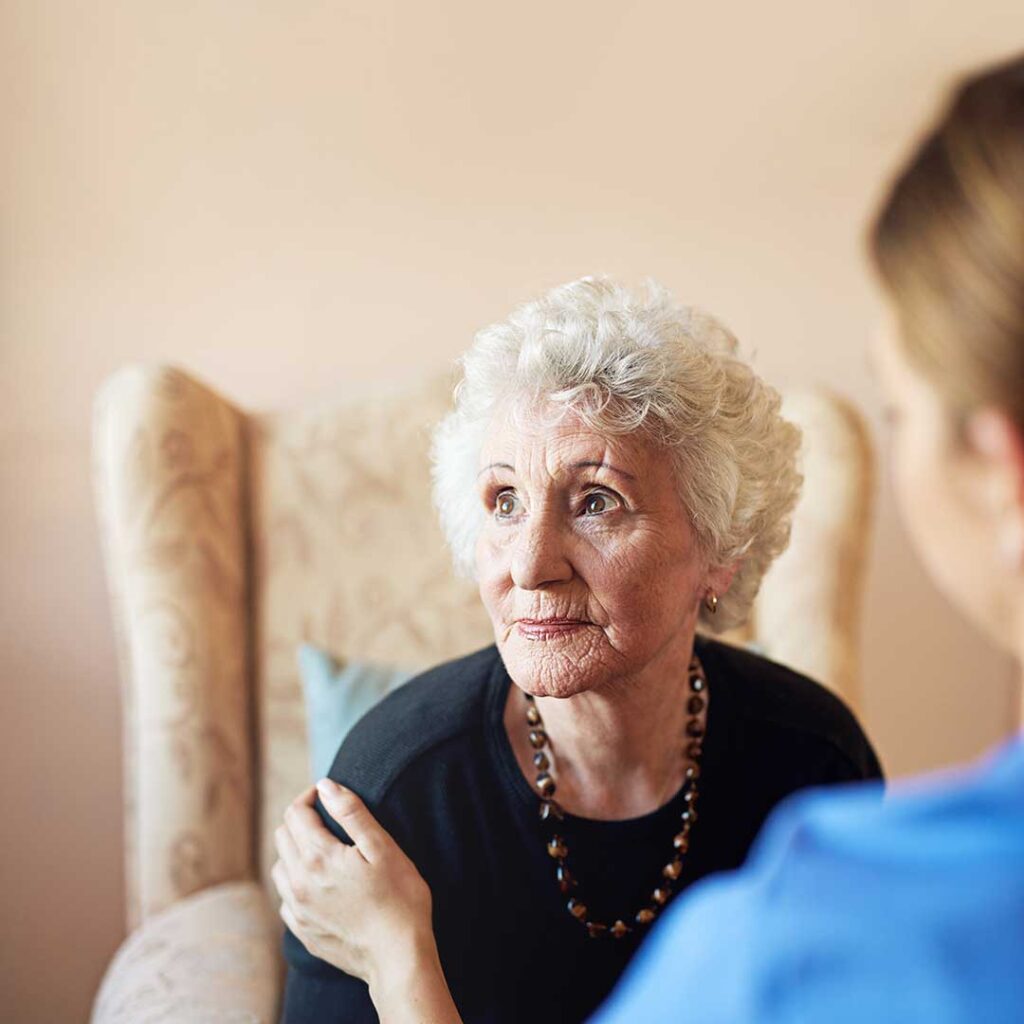
What does assisted living have to do with senior mental health?
Assisted living can support mental health by providing daily structure, social contact, help with routine tasks, and access to health care. It does not replace psychiatric treatment, counseling, or emergency services, but a supportive residential setting may reduce some of the isolation, medication problems, and safety concerns that can worsen emotional distress.
For older adults in Swarthmore, PA, the transition to assisted living may happen after a fall, illness, loss of a spouse, medication difficulties, or growing concerns about living alone. These changes can affect mood even when the move is beneficial. Mental health should therefore be discussed as part of the overall care plan, not treated as a separate issue.
Pennsylvania describes assisted living residences as settings intended to help people age in place, maintain independence, and exercise personal choice. The state also requires licensed residences to address residents’ health, safety, and well-being. ([pa.gov](https://www.pa.gov/agencies/dhs/resources/aging-physical-disabilities/personal-care-homes?utm_source=openai))
Which mental health concerns are common among older adults?
Depression, anxiety, loneliness, grief, sleep problems, and adjustment difficulties are among the concerns families may notice. Dementia-related changes, medication side effects, chronic pain, hearing loss, and serious medical conditions can also affect behavior and mood.
Depression is not a normal or unavoidable part of aging. Possible signs include:
- Loss of interest in activities that once mattered
- Persistent sadness, hopelessness, or unusual irritability
- Changes in appetite, sleep, energy, or concentration
- Withdrawal from conversations or shared activities
- Neglect of personal care
- Frequent complaints of pain or physical discomfort without a clear explanation
- Statements suggesting worthlessness, death, or being a burden
Older adults may describe depression through physical symptoms rather than saying they feel sad. The National Institute on Aging notes that depression can be treated and may require evaluation for medical causes, medication effects, or a separate mental health condition. ([nia.nih.gov](https://www.nia.nih.gov/health/depression-and-older-adults?utm_source=openai))
Anxiety may appear as repeated reassurance-seeking, fear of being alone, restlessness, irritability, difficulty sleeping, or repeated worries about health and safety. A sudden change deserves attention, particularly if the person was previously stable.
How can assisted living support emotional well-being?
The most helpful support is usually consistent, individualized, and connected to the resident’s own history. Helpful practices may include:
- Keeping a predictable daily schedule while allowing personal choice
- Encouraging regular meals, hydration, sleep, and safe physical activity
- Offering activities that match the resident’s interests rather than simply filling time
- Supporting visits, phone calls, religious practices, hobbies, and contact with familiar people
- Watching for changes after medication starts, stops, or dosage adjustments
- Making it easier for residents to attend medical or counseling appointments
- Including the resident in decisions about routines, clothing, meals, activities, and personal space
- Reducing unnecessary noise, confusion, and rushed interactions
Social connection matters, but participation should not be forced. A resident who prefers a quiet conversation, time outdoors, reading, music, or a small group may benefit less from a crowded activity than from a familiar one-on-one interaction.
Seasonal conditions can also affect routines. Cold weather, early darkness, icy walkways, and reduced outdoor activity may increase isolation during winter. Planning indoor movement, safe daylight exposure, regular family contact, and meaningful activities can help maintain structure during those periods.
How should families tell the difference between adjustment and depression?
A move may cause temporary sadness, frustration, homesickness, or anger. These reactions do not automatically indicate a mental illness. The more useful questions are how intense the change is, how long it lasts, whether it is worsening, and whether it interferes with eating, sleeping, personal care, relationships, or participation in daily life.
Families should document specific observations instead of relying only on labels. For example:
- “Stopped attending breakfast for five days”
- “Calls repeatedly after bedtime and says something bad will happen”
- “No longer enjoys weekly visits”
- “Sleeping most of the afternoon and staying awake overnight”
- “Became confused after a medication change”

A sudden change in attention, alertness, behavior, or orientation may be delirium rather than depression. Delirium can be linked to infection, dehydration, pain, medication effects, constipation, or another urgent medical problem. Sudden confusion should be reported promptly to the resident’s health care team.
What questions should families ask about mental health services?
Assisted living residences differ considerably in staffing, training, activities, transportation, and access to outside clinicians. Before or after a move, ask:
- How are changes in mood, behavior, sleep, or appetite documented?
- Who communicates concerns to the resident’s primary care clinician or mental health provider?
- Can residents continue seeing their existing therapist, psychiatrist, or other clinician?
- Are telehealth visits practical and private?
- How are medications monitored for effectiveness and side effects?
- What happens if a resident refuses medication or activities?
- How does staff respond to panic, agitation, wandering, or repeated calls for help?
- What support is available after a hospitalization or major loss?
- How are family members included, consistent with the resident’s privacy and preferences?
- What services are not provided in the residence?
Pennsylvania licensing rules require support planning for residents, including documentation of care, service, or treatment needs and how those needs will be addressed. Families can ask to understand the resident’s support plan and how mental health concerns are incorporated into it. ([pa.gov](https://www.pa.gov/content/dam/copapwp-pagov/en/dhs/documents/providers/clearances-and-licensing/documents/assisted-living-licensing/Guidance%20on%20COVID-19%20for%20PCHs%20ALRs%20and%20ICFs%20-%2009182020%20FINAL.pdf?utm_source=openai))
An assisted living residence is not the same as a nursing facility or psychiatric hospital. Pennsylvania personal care homes and assisted living residences provide residential support and supervision, but they are not medical facilities required to maintain doctors or nurses on staff. The level of clinical support must be discussed directly and compared with the person’s needs. ([pa.gov](https://www.pa.gov/agencies/dhs/resources/aging-physical-disabilities/personal-care-homes?utm_source=openai))
What should happen if a resident talks about suicide?
Any statement about suicide, self-harm, or not wanting to live should be taken seriously. Ask calmly whether the person is thinking about suicide and whether there is an immediate plan or access to a method. Asking directly does not create suicidal thoughts, and it may help the person explain what is happening. ([nia.nih.gov](https://www.nia.nih.gov/health/depression-and-older-adults?utm_source=openai))
If there is immediate danger, stay with the person when possible, alert residence staff, and call 911. For urgent emotional support or crisis guidance in the United States, call or text 988. Do not rely on routine follow-up if the person has a plan, has taken steps toward self-harm, or cannot be kept safe.
Residents also have rights to dignity, freedom from abuse and neglect, access to health care assistance, privacy, and the ability to file complaints without intimidation or retaliation. These protections are part of Pennsylvania’s assisted living resident-rights framework. ([pa.gov](https://www.pa.gov/content/dam/copapwp-pagov/en/dhs/documents/licensing/bhsl-licensing/documents/Assisted_Living-Resident_Rights_Poster.pdf?utm_source=openai))
How can families protect a resident’s independence?
Supporting mental health does not mean making every decision for the resident. Whenever possible, the resident should help choose daily routines, visitors, activities, clothing, meals, and ways to maintain familiar relationships.
A useful approach is to combine safety with autonomy: reduce avoidable risks, explain changes before they occur, offer realistic choices, and preserve familiar possessions and routines. Regular communication among the resident, family, residence staff, and health care providers can reveal problems earlier and prevent a manageable concern from becoming a crisis.
