

What Types of Fitness Programs Are Common in Assisted Living?
Most assisted living communities offer a range of fitness activities tailored to older adults’ abilities and health considerations. Programs often include gentle exercises that improve strength, balance, flexibility, and cardiovascular health. Residents in and around Swarthmore, PA, typically find group classes such as chair yoga, Tai Chi, and light aerobics, as well as access to walking paths or small exercise rooms.
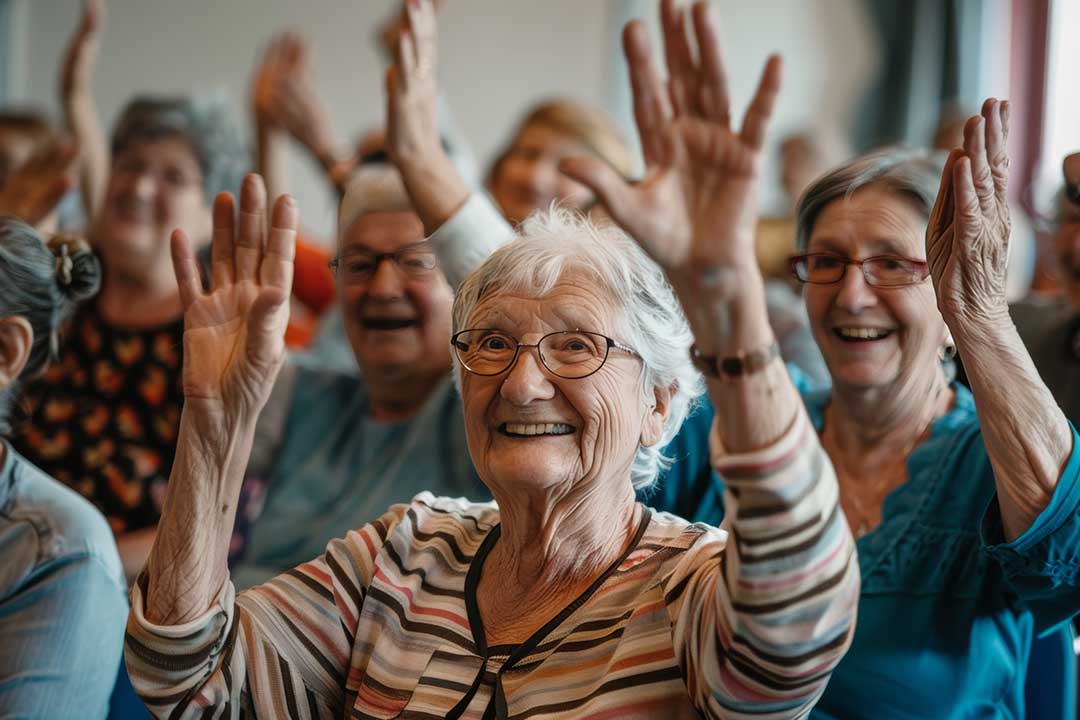
These group offerings help residents connect with peers and stay motivated. Activities are generally led by staff trained to provide modifications for varying abilities, allowing most residents to participate safely and comfortably regardless of mobility or experience level.
Are Fitness Classes Adapted for All Mobility Levels?
Yes — many fitness classes in assisted living are specifically designed to serve residents with a range of mobility, from those fully independent to individuals using wheelchairs or walkers. Adaptive formats are common, such as:
- Chair-based exercise for those who need or prefer seated support
- Standing and balance classes with sturdy support nearby
- Stretching routines that can be performed on a mat or in a chair
- Aquatic exercise options if an on-site pool is available
Residents are encouraged to participate at their own pace. It's common for instructors to demonstrate both a more active version and a gentler alternative in each class, so everyone can follow comfortably.
How Do Fitness Programs Support Physical and Mental Well-Being?
Regular, age-appropriate movement helps maintain muscle tone, flexibility, joint health, and balance—excellent for reducing the risk of falls or injury. In Swarthmore’s climate with distinct seasons, indoor activity options help keep residents active year-round, especially during colder winter months.
Beyond physical benefits, group fitness sessions foster social connections and improve mood. Endorphins released during exercise can help reduce feelings of anxiety or depression, and the routine of participating in classes brings welcome structure to daily life.
What Should Residents Consider Before Joining a Fitness Program?
Seniors interested in participating should:
- Talk with a physician to ensure safety, especially if they have chronic conditions or recent injuries
- Wear supportive footwear and comfortable clothing for class
- Communicate any discomfort or pain to the instructor right away
- Begin at a comfortable intensity; it’s perfectly acceptable to start with a shorter session or take frequent rest breaks
Many may feel hesitant if they’re new to organized fitness. A common misconception is that only those in great shape can join these programs, but classes are truly intended for all ability levels. Just showing up and moving a bit more than usual is a positive step.
Are Fitness Resources Available Beyond Group Classes?
Yes — residents who prefer independent activity often have choices, depending on their building’s amenities. Common options might include:
- Low-impact exercise equipment (such as stationary bikes or resistance bands)
- Quiet areas for stretching or simple bodyweight exercises
- Marked indoor walking routes to encourage safe trips around the facility
During milder weather, outdoor walking in the neighborhood or gardens is a popular choice. The community’s generally gentle terrain and tree-lined sidewalks offer scenic, accessible routes for many mobility devices.
How Often Should Seniors Participate in Fitness Activities?
The optimal frequency will depend on each person’s medical guidance and comfort. Still, most recommendations suggest aiming for some form of movement most days of the week — even if it’s just stretching or a brief walk. Regular participation brings the greatest benefit for strength, mobility, and mood.
Consistency is more important than intensity. Brief, daily sessions tend to help habit formation and reduce the likelihood of stiffness or deconditioning. Some residents enjoy rotating activities to keep things interesting and address different aspects of fitness.
Does Weather Affect Fitness Program Availability?
Seasonal shifts in the city do influence activity choices. In colder or wet conditions, most programs move indoors; on pleasant spring and autumn days, outdoor classes or walks may be organized. Good ventilation and natural light are valued features for indoor spaces, especially in winter.
Residents can ask staff about adjustments made for temperature extremes or inclement weather. For example, a walking group may simply relocate to hallways or a common area, ensuring continuity even during heavy rain or icy periods.
How Are Fitness Programs Made Safe for Older Adults?
Safety is a core concern in all senior-focused exercise offerings. Typical precautions include:
- Non-slip flooring in activity areas
- Clear pathways free of tripping hazards
- Close supervision by staff or volunteers
- Immediate access to hydration stations
- Emergency protocols in place
Instructors should be attentive and capable of offering support or guidance if someone feels unwell. Residents are always encouraged to listen to their bodies and participate only to the extent that feels safe and comfortable.
