

Falls are a common safety concern in assisted living, but many can be prevented through a combination of safer surroundings, appropriate mobility support, medication review, and attention to changing health needs. For residents and families in Swarthmore, PA, practical fall prevention also means preparing for seasonal conditions, older housing features, and the routines of daily life.
Why do falls happen in assisted living?
Falls rarely result from one cause. They often happen when several smaller risks overlap, such as poor lighting combined with unsteady footwear or dizziness after standing.
Common contributing factors include:
- Muscle weakness or reduced balance
- Vision changes, including difficulty judging steps or obstacles
- Dizziness caused by dehydration, illness, or medication
- Rushing to the bathroom
- Loose rugs, clutter, or electrical cords
- Wet floors or uneven walking surfaces
- Poorly fitted shoes or slippers
- Reaching for items from a chair or bed
- Walking without a prescribed cane, walker, or other support
A person who has not fallen before may still have a high risk if mobility, vision, strength, or alertness has recently changed. A new illness, hospital stay, medication adjustment, or period of inactivity can affect balance quickly.
What changes inside an assisted living apartment can reduce fall risk?
The safest room is one with clear walking paths, adequate lighting, and frequently used items within easy reach. Small environmental changes can reduce the need for bending, stretching, climbing, or hurried movement.
Useful adjustments include:
- Removing loose throw rugs or securing them with appropriate non-slip backing
- Keeping pathways clear of baskets, footstools, cords, and small furniture
- Adding night-lights between the bed and bathroom
- Using brighter, evenly distributed lighting rather than relying on a single lamp
- Placing commonly used clothing and personal items at waist-to-shoulder height
- Keeping a telephone or emergency communication device within reach
- Making sure chairs and beds are stable and easy to sit down on
- Using grab bars or other approved supports where they are appropriate
- Cleaning up spills promptly and keeping floors dry
Furniture should not be used as a substitute for a walker or cane. A person who regularly pulls on a table, rolling cart, or unstable chair to stand may be at greater risk of losing balance.
How can bathroom falls be prevented?
Bathrooms deserve special attention because water, smooth surfaces, tight spaces, and hurried movement often occur together. A fall may happen while stepping into a shower, standing from a toilet, or turning on a wet floor.
Helpful precautions include:
- Installing properly anchored grab bars rather than relying on towel racks
- Using a stable shower seat when standing for long periods is difficult
- Placing non-slip surfaces inside and outside the bathing area
- Keeping soap, towels, and toiletries easy to reach
- Using a raised toilet seat or toilet safety frame if recommended
- Improving lighting around the sink, toilet, and entrance
- Avoiding rushed transfers, especially during nighttime bathroom trips
A bath mat that slides or curls at the edges can create a hazard. Mats should be checked regularly, particularly after laundering or when the backing begins to wear.
Which footwear is safest?
Supportive, well-fitting shoes are generally safer than loose slippers, socks, or backless footwear. Shoes should have non-slip soles, remain securely on the feet, and provide enough room without being oversized.
Residents should avoid walking in socks on smooth floors unless the socks are specifically designed with reliable grip. Shoes with worn soles, loose fasteners, or uneven heels should be replaced. Footwear should also match the resident’s mobility needs; a shoe that feels comfortable while sitting may still be unstable during walking.
Outdoor conditions can affect footwear choices. Rain, wet leaves, icy surfaces, and tracked-in moisture may increase slipping hazards during seasonal weather in Swarthmore. Wet shoes should be dried safely, and entry areas should remain free of puddles and clutter.
Why should medications and health changes be reviewed?
Some medications can cause dizziness, drowsiness, blurred vision, low blood pressure, or slower reactions. These effects may be more noticeable after a new prescription, a dosage change, or the addition of an over-the-counter medicine.
A medication review can help identify possible contributors to falls. It should include prescriptions, sleep aids, allergy medicines, pain relievers, supplements, and any medicine taken only as needed. Medication should not be stopped or changed without guidance from the prescribing clinician.
Other health issues that may increase fall risk include:
- Dehydration
- Low blood sugar
- Urinary urgency or frequent nighttime trips
- Foot pain or numbness
- Arthritis
- Inner-ear problems
- Weakness after illness
- Changes in vision or hearing
- Fear of falling, which can lead to stiff or cautious walking
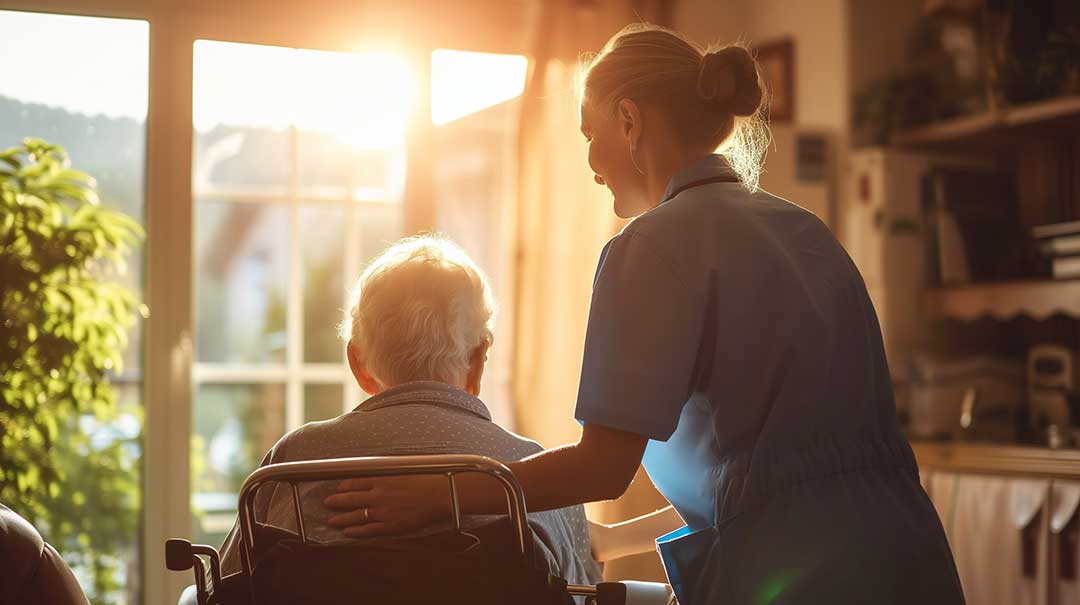
A new fall, near-fall, fainting episode, or repeated complaint of dizziness deserves prompt attention, even if no injury occurred.
Can exercise help prevent falls?
Regular, appropriately supervised activity can improve leg strength, balance, coordination, and confidence. The safest program depends on a person’s medical conditions, current mobility, and ability to follow instructions.
Useful activities may include:
- Sit-to-stand practice
- Gentle leg strengthening
- Balance exercises performed near stable support
- Walking at a comfortable pace
- Flexibility exercises for the ankles and hips
- Activities that improve posture and body awareness
Exercise should not involve unsupported standing on unstable surfaces or movements that cause pain, chest discomfort, severe shortness of breath, or dizziness. A person who is very unsteady may need individualized guidance before starting a new routine.
Bed rest after illness can also contribute to weakness. Gradual, safe movement during recovery may help preserve function when medically appropriate.
What should residents know about walkers and canes?
Mobility aids reduce risk only when they are correctly sized, in good condition, and used consistently. A cane or walker that is too high, too low, damaged, or poorly suited to a person’s walking pattern can create instability.
Check that:
- Rubber tips are not worn smooth or split
- Walker wheels and brakes work properly
- The device fits the person’s height
- The resident knows how to turn, sit, stand, and manage thresholds safely
- The aid is within reach before standing
A mobility device should not be left across a walkway where someone could trip over it. At the same time, placing it too far away may encourage a resident to stand and walk without it.
How can nighttime falls be reduced?
Many nighttime falls occur because a person wakes suddenly, feels urgent pressure to use the bathroom, or tries to walk in darkness. A consistent nighttime plan can lower risk.
Keep a light, glasses, footwear, and mobility aid within reach of the bed. Allow time to sit at the bedside before standing, especially if dizziness occurs. Clear the route to the bathroom and avoid leaving clothing or personal items on the floor.
If nighttime urgency is frequent, the pattern should be discussed with a healthcare professional. The issue may relate to medication timing, fluid intake, infection, diabetes, prostate or bladder conditions, or another treatable concern.
What should happen after a fall?
After a fall, avoid immediately pulling the person up unless there is an urgent danger. Check for severe pain, bleeding, confusion, weakness, difficulty breathing, or a possible head injury. Emergency assistance may be needed for those symptoms, for loss of consciousness, or when the person cannot safely move.
Even when the resident feels fine, the event should be reported and documented. Details such as location, footwear, lighting, activity, symptoms, and whether the person felt dizzy can help identify the cause. A fall or near-fall is often a signal to reassess the environment, mobility support, health status, and daily routine rather than simply telling the resident to be more careful.
