
How Do Assisted Living Facilities Adjust Care to Individual Needs?
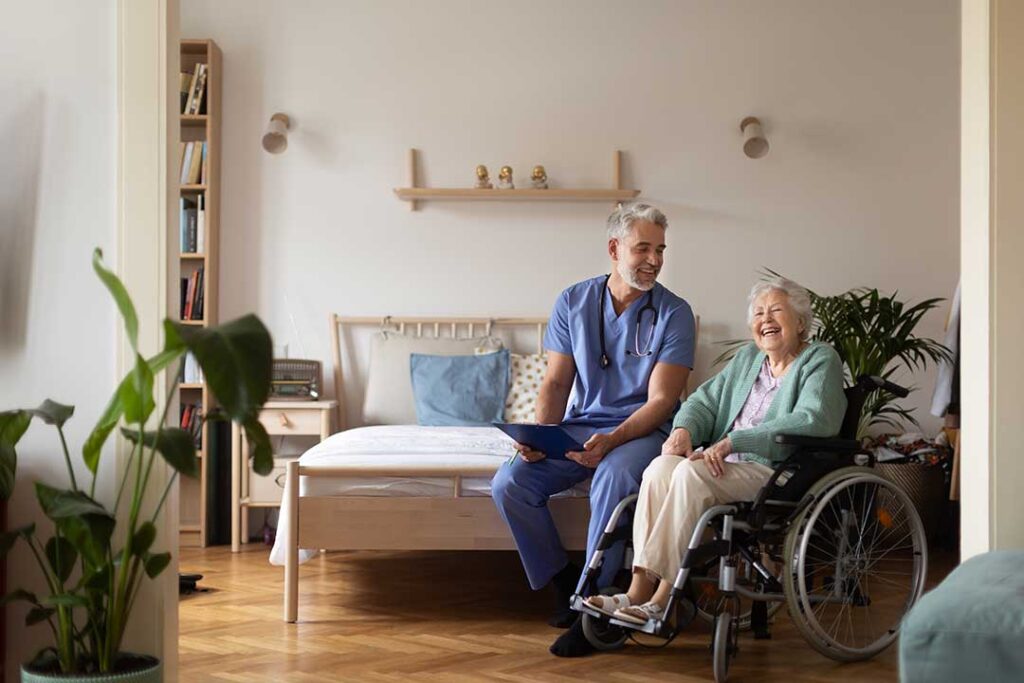
Assisted living facilities adapt support by conducting detailed assessments and staying flexible as residents' situations change. This means no two care plans are alike, and accommodations are made for individual routines, health requirements, and personal interests. The process involves ongoing collaboration among residents, families, and professional staff to ensure daily life in assisted living reflects each person’s preferences.
In a residential setting like those in Swarthmore, personalizing services also considers the pace and climate of the area, whether accommodating quieter routines or engaging more active individuals who enjoy community spaces or garden walks. Local facilities typically recognize the value of respecting both privacy and participation in group activities based on resident choice.
What Is Involved in a Custom Care Plan?
A custom care plan is a document that details specific preferences, health goals, and requirements for each resident. These plans are routinely reviewed and revised as situations evolve.
Key components may include:
- Mobility assistance and fall prevention protocols
- Medication management systems
- Nutrition plans respecting allergies, dietary restrictions, or regional preferences
- Personal hygiene and grooming schedules
- Strategies for cognitive support or memory care
- Engagement in social, physical, or cultural activities
For local households, practical considerations might include arrangements for familiar foods, access to outdoor spaces during milder seasons, or quieter environments when needed.
How Are Health and Mobility Concerns Handled?
Staff tailor their approach based on current mobility and health status, revisiting assessments at least annually—or sooner if a resident’s condition changes. For example, some may need help only with specific tasks like showering, while others may require more comprehensive support after illness or surgery.
Assisted living teams also:
- Coordinate with primary care providers for updated medical information
- Offer physical therapy or exercise programs designed for all ability levels
- Use adaptive equipment, such as grab bars or walkers, selected for each resident’s needs
- Adjust care as residents recover skills or if needs increase
Physical layouts of facilities in the area are often designed with easy accessibility in mind, considering seasonal weather and common hazards like wet leaves or icy walkways.
In What Ways Is Social and Emotional Well-being Supported?
Customizing care isn’t only about physical health. Staff make efforts to support emotional well-being—matching activities to interests, helping maintain connections with friends and family, and respecting the desire for privacy when it’s needed.
Approaches include:
- Scheduling visits with volunteers, considering resident preferences for companionship
- Planning hobby groups, games, or seasonal events
- Helping residents choose when and how to join in community life
- Recognizing the impact of memories, traditions, and routines unique to local families

Overlooking this aspect can lead to withdrawal or loneliness, so attentive staff ask for regular feedback about what helps residents feel at home.
How Is Communication Maintained with Families?
Facilities in the city often build strong communication routines with families to update care plans, discuss observations, and invite feedback. This can include scheduled check-ins, updates over the phone, or in-person meetings when changes are needed.
Managing care transitions, such as after a hospital discharge or as care requirements evolve, is approached collaboratively. Regular, predictable contact reassures both residents and relatives that everyone is informed and involved.
What If Needs Change Suddenly?
Life in assisted living can change quickly, especially after injuries or unexpected health events. Local facilities are prepared to rapidly reassess needs and adapt services, whether it involves increased support or temporary changes in daily schedules.
Staff receive training to recognize early signs of new challenges, such as confusion, decreased mobility, or appetite changes, allowing for prompt interventions. Even subtle adjustments, like changing meal plans during seasonal illnesses, are part of ongoing responsive care.
Common Misunderstandings About Personalized Support
Many believe that assisted living means standardized routines, but the reality is much more dynamic. Residents are encouraged to voice their preferences around wake-up times, bathing schedules, leisure activities, and even how staff interact with them. Customization can extend to scheduling therapy or arranging preferred spiritual support.
A frequent misconception is that all assistance will be given automatically or immediately. In reality, staff balance safety with supporting independence; some assistance may require resident request or active participation.
What Local Factors Influence Day-to-Day Customization?
Climate and regional lifestyle patterns shape daily routines. For example, Swarthmore's four-season weather may affect outdoor activities, prompting indoor adaptations during colder months or extra hydration reminders in summer. Familiar décor, local foods, and neighborhood news featured in common spaces reflect the area’s identity, helping residents feel engaged and oriented.
The city’s layout and pace allow for community strolls, gardening, or participation in neighborhood events. Assisted living teams often liaise with area organizations for enrichment programs tailored to local interests, from art sessions to gardening clubs. Personal touches like incorporating nearby nature or community events into routines make support more meaningful.
