
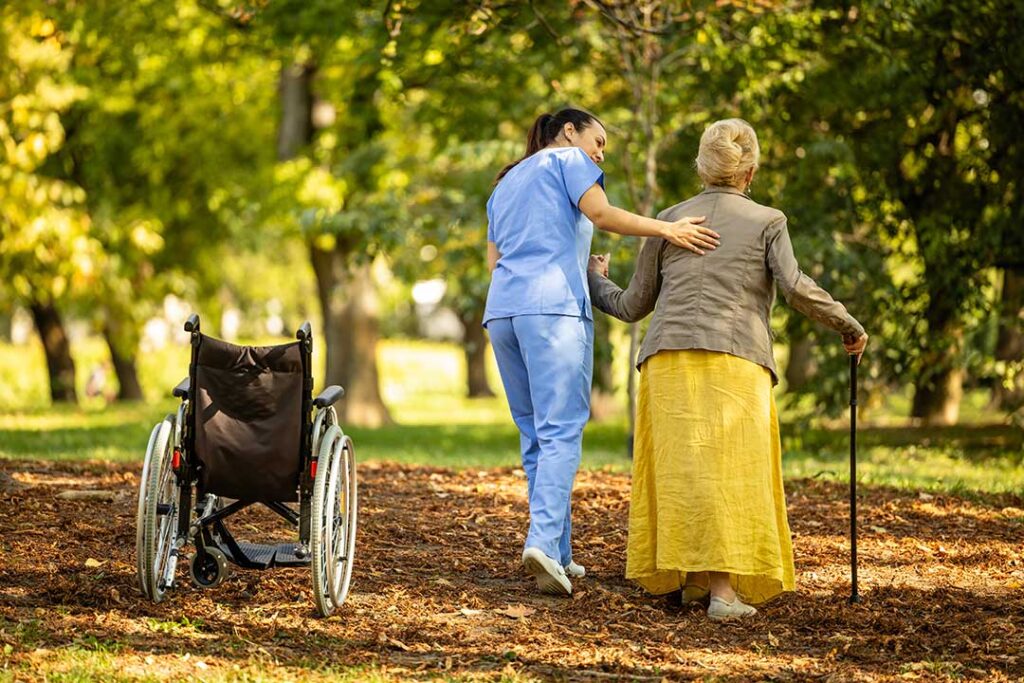
Adapting to vision loss can be challenging for seniors and their families, particularly when considering assisted living options in a close-knit community like Swarthmore, Pennsylvania. However, modern assisted living communities are well-equipped to support residents with visual impairments, ensuring safety, independence, and a vibrant quality of life. Below, we explore the specific adaptations and thoughtful considerations that make life more accessible for visually impaired seniors in Swarthmore’s assisted living residences.
Understanding the Challenge of Visual Impairment in Seniors
Visual impairment is common among older adults and can significantly impact daily living, emotional health, and social engagement. For seniors in Swarthmore, where a strong sense of community and local engagement is a core part of life, addressing these challenges is crucial to maintaining the hallmark warmth and neighborliness of the area.
Common causes of vision loss among seniors include age-related macular degeneration, glaucoma, cataracts, and diabetic retinopathy. Each presents unique adaptations required for safe, fulfilling assisted living.
Environmental Adaptations in Assisted Living Settings
Assisted living communities in Swarthmore leverage a variety of environmental modifications tailored specifically for residents with low vision. Some key adaptations include:
- High-Contrast Color Schemes: Hallways, doors, and handrails are painted with contrasting colors to help residents distinguish boundaries and navigate safely.
- Non-Glare Lighting: Soft, indirect lighting reduces glare and harsh shadows, making it easier for visually impaired seniors to move around comfortably.
- Textured Flooring and Tactile Indicators: Distinct floor textures and tactile markers near stairs or elevators guide seniors safely within facilities.
- Large Print and Braille Signage: Directional and room signage often includes large print or braille for easy reading.
- Decluttered Walkways: Wide, uncluttered paths with minimal obstacles help reduce the risk of falls.
These adaptations are seamlessly integrated into Swarthmore’s assisted living residences, reflecting both contemporary design and the area’s welcoming spirit.
Technology and Assistive Devices
Modern technology plays a pivotal role in supporting visually impaired residents. Many Swarthmore assisted living communities equip units and communal areas with:
- Personal Emergency Response Systems (PERS): Wearable devices that allow seniors to call for help with a single touch.
- Voice-Activated Assistants: Smart speakers and devices facilitate hands-free control of lights, thermostats, and entertainment.
- Talking Clocks and Medication Dispensers: These assist with independence in daily routines, ensuring seniors stay on schedule and safe.
- Screen Readers and Magnifiers: Computers and tablets in common rooms often come equipped with screen-reading software and screen magnifiers for community engagement, reading, and staying in touch with family.
Swarthmore’s local culture, with its emphasis on education and lifelong learning, makes the adoption of technology particularly welcome and familiar for many seniors.
Social and Recreational Adaptations
Staying active and engaged is a crucial part of senior living in Swarthmore. Local assisted living providers often tailor activities for those with visual impairments, such as:
- Audio Book Clubs: Drawing on Swarthmore’s literary tradition, audio book discussions are popular and accessible.
- Music Therapy: Group music sessions, sing-alongs, and instrument play promote both enjoyment and memory stimulation.
- Tactile Arts and Crafts: Pottery, textile art, and sculpture are emphasized for their sensory-rich nature.
- Community Walks: Guided strolls around Swarthmore’s scenic parks and campuses allow residents to safely enjoy the outdoors.
These offerings are designed to foster connection and participation, reducing isolation and enhancing well-being.
Staff Training and Community Support
A critical component of successful adaptation is staff training. Swarthmore’s assisted living communities invest in specialized training to ensure staff are sensitive to the needs of residents with visual impairments. Staff learn:

- How to communicate clearly and describe surroundings.
- The best techniques for guiding residents safely.
- How to use adaptive technologies and support residents in using them.
- Strategies for encouraging independence while respecting personal dignity.
Additionally, partnerships with Swarthmore’s civic organizations, churches, and Swarthmore College enable intergenerational programs and further strengthen community ties.
Safety First: Emergency Preparedness for Visually Impaired Seniors
Ensuring the safety of visually impaired residents during emergencies is a top priority. Swarthmore assisted living providers implement:
- Customized Evacuation Plans: Each resident has a plan tailored to their needs.
- Frequent Drills: Regular emergency drills with staff guidance help build familiarity and reduce anxiety.
- Audible and Tactile Alerts: Emergency and fire alarms include both sound and tactile alerts for comprehensive awareness.
This proactive approach helps Swarthmore families rest easy, knowing their loved ones are protected.
Family Education and Involvement
Family involvement is a cornerstone of life in Swarthmore, and assisted living communities actively keep relatives informed and engaged. Educational workshops help families understand the challenges of vision loss and ways to support their loved ones both in the community and at home.
Creating a Sense of Belonging in Swarthmore
Life in Swarthmore is known for its neighborly feel, walkable streets, and community events. Assisted living communities reflect these values by fostering an environment where visually impaired residents feel included and empowered. From tailored dining experiences to accessible local outings—such as trips to Scott Arboretum, the Swarthmore Farmers Market, or local libraries—these adaptations ensure everyone enjoys everything the area has to offer.
Conclusion
Adapting assisted living environments for seniors with visual impairments is not just about safety—it’s about preserving the essence of community, independence, and belonging that Swarthmore prides itself on. By implementing thoughtful adaptations, integrating the latest technology, and nurturing a well-trained, compassionate staff, these communities ensure that visually impaired seniors continue to thrive in one of Pennsylvania’s most cherished boroughs.
If you have questions about local resources in Swarthmore for seniors with visual impairments or wish to learn more about assisted living options, local professionals and community organizations stand ready to help.
