
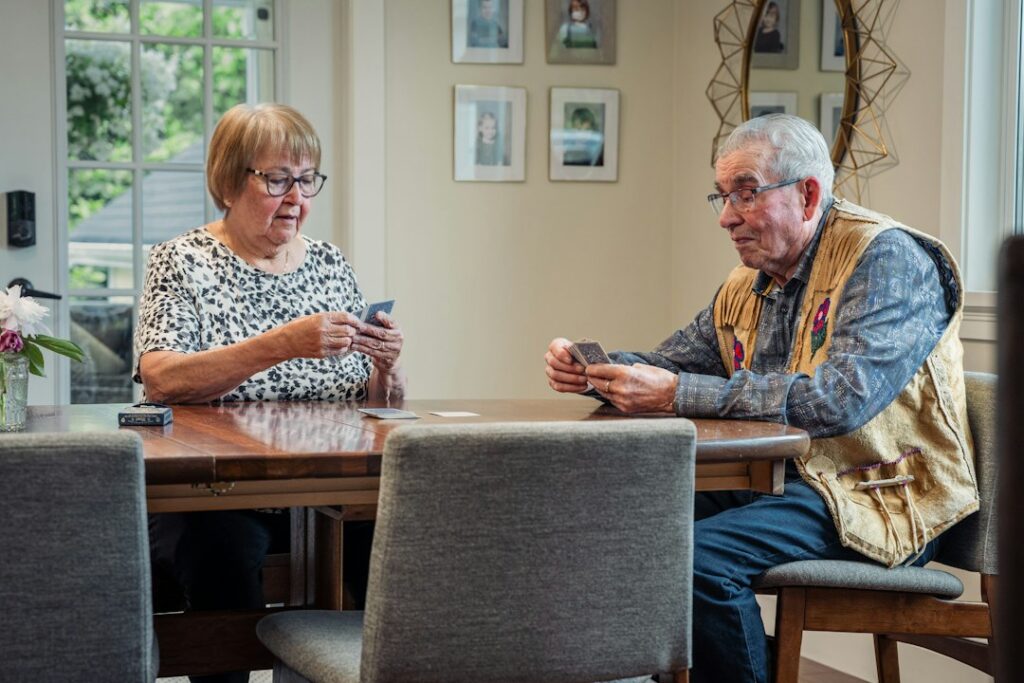
In Swarthmore, PA, volunteers can add companionship, creativity, and a stronger connection to the surrounding community within assisted living residences. Their role is valuable, but it is also clearly limited: volunteers complement trained staff rather than replace them.
What do volunteers do in assisted living communities?
Volunteers generally provide social, recreational, and community-oriented support. Their activities may be scheduled individually or included in group programs.
Common volunteer roles include:
- Reading aloud, discussing newspapers, or sharing stories
- Playing cards, board games, or simple puzzles
- Helping residents participate in arts, music, or gardening activities
- Visiting with residents who have few regular visitors
- Assisting with nonmedical group programs
- Supporting religious, cultural, or seasonal events
- Writing letters, organizing photo albums, or helping with technology
- Accompanying residents during supervised walks or community activities, when permitted
- Bringing musical, educational, or creative programs into the residence
Some volunteers visit on a regular schedule, while others help with special events. Consistency can matter more than the length of each visit. A short weekly conversation may give a resident something familiar to look forward to.
Why are volunteers important to residents?
The main contribution is meaningful human connection. Staff members must focus on medication routines, personal care, meals, safety, documentation, and many other responsibilities. Volunteers may have more time for an unhurried conversation or a shared activity.
This can support several aspects of daily life:
- Companionship: Regular visits may reduce loneliness and provide emotional comfort.
- Mental stimulation: Conversation, reading, games, and creative activities encourage attention and memory.
- Identity and purpose: Residents may enjoy teaching a skill, sharing life experiences, or contributing to a group.
- Choice and independence: A volunteer visit can give residents another opportunity to decide how they want to spend part of the day.
- Community connection: Volunteers can help residents maintain ties with schools, faith communities, civic groups, families, and neighborhood life.
Volunteering should not be viewed only as entertainment. A resident who talks about former work, cooks from memory, explains a hobby, or teaches a card game is participating as a person with knowledge and preferences—not simply receiving an activity.
Can volunteers provide personal care or medical assistance?
Usually, no. Volunteers should not independently provide services that require clinical training, personal-care authorization, or access to confidential medical information.
Tasks generally reserved for qualified staff may include:
- Bathing, dressing, toileting, or transferring a resident
- Administering or handling medication
- Changing wound dressings
- Making health assessments
- Providing physical therapy or skilled exercises
- Managing behavioral crises
- Driving residents without authorization and appropriate safeguards
- Making decisions about a resident’s care
A volunteer may walk beside a resident during an approved activity, but should not lift, transfer, or physically steady someone unless specifically trained and directed under the residence’s policies. Even a well-intended action can cause injury if the volunteer does not understand the resident’s mobility needs.
Pennsylvania regulations distinguish volunteers from direct-care staff. A resident who performs tasks in the residence is not automatically considered a volunteer under the assisted living rules, and unpaid assistance does not remove the need for proper staff oversight.
How are volunteers screened and supervised?
Assisted living residences usually establish their own volunteer procedures, but safe programs commonly include an application, interview, orientation, reference checks, and rules regarding confidentiality and resident boundaries.
Depending on the role, screening may also involve background checks or other clearances. Volunteers who have direct contact with residents should understand whom to notify if they observe a fall, sudden illness, suspected abuse, missing property, or a change in a resident’s condition.
Supervision is especially important during:
- Outings or outdoor walks
- Visits with residents who have dementia or communication difficulties
- Activities involving food, tools, pets, or exercise
- Situations involving money, gifts, transportation, or personal belongings
- Conversations about health, family conflict, finances, or legal matters
A volunteer should report concerns to designated staff rather than attempting to solve them independently.
What boundaries should volunteers maintain?
Friendly relationships are encouraged, but professional boundaries protect both residents and volunteers. Volunteers should avoid borrowing money, accepting expensive gifts, selling items, discussing private information, or promising to provide help outside the approved role.
Confidentiality is also essential. A volunteer may learn personal details during a conversation, but those details should not be shared with friends, posted online, or discussed with other residents.
Respectful volunteering means:
- Asking permission before entering a resident’s room or beginning an activity
- Using the resident’s preferred name
- Speaking directly to the resident rather than only to staff or family
- Allowing extra time for responses
- Avoiding arguments about memory, beliefs, or personal history
- Respecting a “no” without pressuring the resident
- Being aware of hearing, vision, language, and cognitive differences

A resident may not want to participate every day. Choice is part of respectful care.
How can volunteers support residents through changing seasons?
Seasonal conditions can affect activities in the area. Hot, humid summer days, winter cold, rain, and shorter daylight hours may limit outdoor plans or make transportation more complicated. Volunteers can help residences maintain engaging indoor routines during those periods.
Useful seasonal activities may include:
- Indoor walking or stretching approved by staff
- Seasonal crafts and music
- Sorting photographs or creating memory books
- Reading groups during cold or rainy weather
- Window gardening or indoor plant care
- Conversations about local seasonal traditions
- Preparing handwritten cards for family members
During warmer months, volunteers should follow staff guidance about hydration, shade, heat exposure, and outdoor timing. In colder weather, volunteers should not take residents outdoors without confirming that clothing, surfaces, mobility equipment, and supervision are appropriate.
What should families ask about a volunteer program?
Families may want to ask how volunteers are selected, trained, and supervised. Useful questions include:
- What activities may volunteers provide?
- Which tasks are prohibited?
- Are background checks or clearances required?
- Who supervises volunteers during visits?
- How are incidents or concerns reported?
- How does the residence protect resident privacy?
- Can residents decline visits or choose preferred activities?
- How are volunteers matched with residents who have dementia, hearing loss, or mobility limitations?
These questions help families understand whether the program is structured around resident choice and safety rather than simply filling vacant activity time.
Can residents volunteer within the residence?
Residents may contribute to community life by welcoming newcomers, helping with a reading group, folding activity materials, watering plants, or sharing a hobby. These contributions can support dignity and purpose.
However, resident participation should remain voluntary and should not replace staffing. A resident who helps with a task should not be expected to provide personal care, supervise other residents, handle confidential information, or perform duties that belong to trained employees.
The most effective volunteer programs recognize that both volunteers and residents bring abilities, experiences, and preferences. Their shared activities work best when participation is safe, respectful, consistent, and guided by the resident’s own interests.
